
In 2026, websites are no longer just an online brochure. They play a central role in how Gold Coast businesses attract, engage, and convert customers. A well designed site is not just about looking good. It is about guiding visitors toward action, building trust, and delivering a fast, relevant experience on every device.
As consumer expectations evolve and technology advances, certain design trends have emerged that significantly improve conversions, especially for local businesses in competitive markets like the Gold Coast.
This article breaks down the key website design trends in 2026 that consistently help businesses convert more visitors into enquiries, leads, bookings, and sales, not just traffic.
1. Mobile First Design That Feels Native
In 2026, mobile is dominant. Most visitors to local business websites arrive on smartphones, often while on the move. Australian government data shows that 95 percent of Australian adults use mobile phones to access the internet, underlining why mobile first design is critical for modern websites and conversions.
A mobile first design is no longer just responsive. It feels native, meaning it is built from the ground up for mobile behaviour.
This includes large, easy to tap buttons, quick access to click to call and messaging, sticky calls to action that follow users as they scroll, and clean layouts that avoid clutter.
Sites designed this way do not just work on phones. They guide mobile visitors toward taking action quickly.
Why it boosts conversions: Visitors who find what they need faster are far more likely to contact you, especially when they are looking for a local service right now.
2. Story Driven Homepage Layouts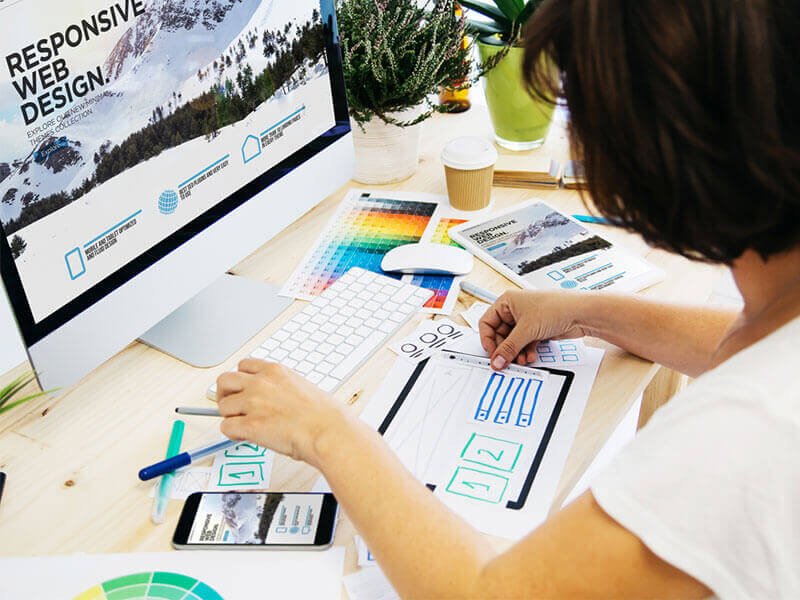
Generic homepage templates that simply list services no longer perform well.
High converting sites in 2026 use a clear story structure that identifies the visitor’s problem, shows the solution, explains why the business is the right choice, and ends with a strong call to action.
Instead of stock images and vague taglines, these pages use clear messaging, real visuals, and customer focused language.
Why it boosts conversions: Visitors feel understood and guided, which reduces hesitation and builds trust.
3. Hyper Local Visuals and Messaging
Local relevance plays a major role in conversion. People in Gold Coast suburbs want to work with businesses that feel genuinely local.
This includes real photos of the team and workspace, suburb specific imagery, testimonials from local customers, and messaging that reflects local searches such as Burleigh Heads emergency plumber.
Generic stock visuals no longer perform well in competitive local markets.
Why it boosts conversions: Local visitors recognise themselves in the content and feel an immediate sense of trust and connection.
4. Purpose Driven Calls to Action
Conversion rates increase when calls to action are clear, relevant, and well placed.
Top performing sites in 2026 use immediate calls to action near the top of pages, contextual prompts based on user behaviour, and direct language such as book today or get a free quote.
Calls to action are placed in predictable, high visibility areas so users never have to search for what to do next.
Why it boosts conversions: Clear next steps remove uncertainty and reduce the chance visitors leave without engaging.
5. Fast, Performance Optimised Experiences
Speed remains critical for both users and search engines.
Sites that load quickly, especially on mobile devices, experience lower bounce rates, higher engagement, better conversion rates, and stronger local search performance.
Key performance practices in 2026 include optimised images and videos, minimal third party scripts, lightweight layouts, and reliable fast hosting.
Why it boosts conversions: Fast sites keep users engaged and moving toward action, while slow sites create frustration and abandonment.
6. Interactive Elements That Add Value
Interactivity is no longer about flashy animations. It is about usefulness.
High converting examples include short quizzes or service finders, cost estimators, appointment calendars, and instant chat or messaging buttons.
These tools help visitors find answers or take action without friction.
Why it boosts conversions: Users get what they need faster and feel more confident and in control of the experience.
7. Clear Trust and Proof Sections
Trust is essential, especially for services that involve time, money, or risk.
Conversion driven websites in 2026 highlight customer testimonials with photos, local reviews, case studies with measurable outcomes, and relevant industry certifications.
Rather than hiding reviews at the bottom of the site, they are placed where decisions are made.
Why it boosts conversions: Social proof reduces doubt and reinforces credibility at key decision points.
8. Accessibility as a Standard
Accessible design is no longer optional. It is expected.
Accessibility features include high contrast text, clear heading structures, keyboard navigation, and descriptive alt text.
These improvements benefit all users, not only those with accessibility needs.
Why it boosts conversions: More visitors stay longer and engage when a site is easy to navigate and understand.
9. Integrated Local SEO Content
Design and content must work together.
The best performing sites in 2026 integrate local SEO directly into the design through suburb specific service pages, local FAQs, schema markup, and clearly defined service areas.
This approach improves rankings and aligns search intent with on page relevance.
Why it boosts conversions: Visitors land on pages that directly match their location and needs, making them more likely to take action.
10. Video That Tells a Story
Video continues to grow as a conversion tool.
High converting sites use video to introduce the team, explain services, show real results, and answer common questions in a relatable way.
Videos are optimised for mobile and performance, keeping them short, clear, and focused.
Why it boosts conversions: Video builds familiarity, humanises the brand, and keeps users engaged longer.
Putting It All Together: Conversion Driven Design in 2026
The design trends that drive conversions in 2026 all share one thing in common. They prioritise the visitor journey.
It is not about following trends for appearance. It is about removing friction, building trust quickly, and guiding users toward meaningful action such as a call, booking, form submission, or purchase.
A high performing website in 2026 is fast, mobile focused, locally relevant, clear about who it serves, and easy to interact with.
If your current site does not reflect these principles, it may be costing you enquiries and revenue every day.
Why Smart Web Design Matters More in 2026
Website design in 2026 is no longer about aesthetics alone. It is about performance, clarity, trust, and relevance. Businesses that adopt these design trends consistently see stronger engagement and higher conversion rates, especially in competitive local markets like the Gold Coast.
At Gold Coast Websites, we help local businesses apply conversion focused design principles that align with real user behaviour, modern expectations, and long term growth goals. A website built with purpose does not just look good. It works hard for your business every day.
Frequently Asked Questions
Do design trends really affect conversions
Yes. Design influences how users behave, how much they trust your business, and how easily they can take action.
Can an existing site be updated to follow these trends
Often, yes. Many improvements can be made without a full rebuild.
Is WordPress suitable for these trends
Yes. WordPress supports modern, performance focused, conversion driven design when structured properly.
How long does it take to implement these changes
This depends on scope, but improvements to mobile performance and trust signals often deliver early results.
Should local content be separate from design
No. Local content and design should work together to improve relevance and persuasion.
Do these trends help SEO as well
Yes. Many conversion focused design improvements also support stronger mobile and local search performance.