

Learning front end coding is one of the most exciting steps for anyone entering the world of web development. It allows people to create the visible parts of websites that users interact with every day. From layout design to navigation menus and interactive forms, front end coding controls how websites look and behave inside the browser. For beginners, the ability to build something visual and functional quickly creates a strong sense of accomplishment. When a learner writes a few lines of code and sees a webpage come to life, it can feel both rewarding and motivating.
However, beginners often face common challenges when learning front end coding. Many mistakes occur not because the learner lacks talent, but because they focus on the wrong priorities early in the learning process. Some beginners rush through tutorials without understanding the concepts behind the code. Others spend too much time copying examples instead of practising real problem solving. These habits can slow learning and create confusion when projects become more complex.
Understanding these common beginner mistakes can help new developers build better habits from the start. By avoiding these issues, beginners can develop stronger coding skills and create websites that are cleaner, faster, and easier to maintain. A solid foundation in front end coding also opens the door to more advanced development opportunities later on.
Why Learning Front End Coding Properly Matters
Before looking at specific mistakes, it is important to understand why front end coding skills matter so much in modern web development.
Front end coding is responsible for everything a user sees on a website. This includes page layout, navigation systems, buttons, images, forms, and content structure. When these elements are built well, visitors find the site easy to use. When they are poorly implemented, users become frustrated and may leave the site quickly.
Businesses depend heavily on their websites to communicate with customers. A slow or confusing website can damage trust and reduce conversions. That is why companies invest in skilled developers who understand how to build efficient and user friendly interfaces.
Beginners who take time to learn front end coding properly will find it easier to build professional projects and grow their careers in web development.
Mistake 1. Ignoring the Basics of HTML
One of the most frequent mistakes beginners make is rushing through HTML. Since HTML appears simple, many learners assume they already understand it and quickly move on to advanced topics.
In reality, HTML forms the foundation of front end coding. Every website structure begins with HTML elements that define headings, paragraphs, images, and navigation menus. Without strong HTML knowledge, it becomes difficult to organise content effectively.
HTML also includes semantic elements that help browsers and search engines understand page content. Elements such as header, main, article, and footer provide meaning to the structure of a webpage. Using these correctly improves both accessibility and search engine visibility.
When beginners skip this foundation, they often struggle later when working with layouts and frameworks. Developers who master HTML early find it much easier to organise content and build reliable page structures.
Mistake 2. Treating CSS as an Afterthought
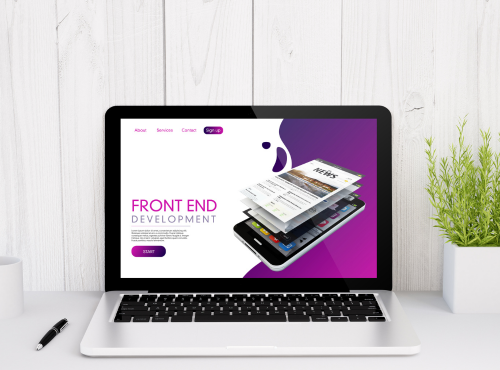
Another common issue is underestimating the importance of CSS. Beginners often think CSS is only responsible for colours and fonts.
In modern front end coding, CSS plays a much larger role. It controls layout systems, spacing, responsiveness, and visual hierarchy. Technologies such as Flexbox and Grid allow developers to create advanced page layouts without complex code.
CSS also determines how websites respond to different screen sizes. Responsive design techniques ensure that pages look good on phones, tablets, and desktops.
When beginners learn CSS properly, they gain the ability to design flexible and responsive interfaces. This skill is essential for building modern websites that meet user expectations.
Mistake 3. Writing Messy Code
Many beginners write code quickly without thinking about structure. This often leads to large blocks of code that are difficult to understand later.
Messy code can create problems as projects grow. Developers may struggle to remember how certain sections work. Updating the code becomes slower and more complicated.
Clean code improves readability and makes projects easier to maintain. Professional developers organise their files carefully and use consistent naming conventions. They also separate HTML, CSS, and JavaScript logically so each file has a clear purpose.
Writing clean code from the beginning helps beginners develop professional habits that benefit them throughout their careers. It also makes teamwork easier when multiple developers work on the same project.
Mistake 4. Copying Code Without Understanding
The internet offers countless tutorials and code snippets. While these resources are helpful, beginners often copy code without understanding how it works.
This habit creates problems when errors appear. Developers who rely only on copying code may struggle to troubleshoot issues because they do not understand the logic behind the program.
Learning front end coding requires experimentation and curiosity. Beginners should ask questions such as why a particular line of code works or what happens if it is changed.
Taking time to understand each line of code builds stronger programming knowledge. Over time, developers gain the confidence to build projects from scratch rather than relying on copied examples.
Mistake 5. Ignoring Accessibility
Accessibility ensures that websites can be used by people with different abilities. Beginners sometimes overlook accessibility because they focus only on visual design.
However, inclusive design is an important responsibility in modern web development. Millions of people rely on assistive technologies such as screen readers to navigate websites.
Data from the Australian Digital Inclusion Index shows that around 2.5 million Australians are still digitally excluded or highly excluded from online services, highlighting the importance of building websites that are accessible and easy to use for all users.
Simple improvements such as clear text contrast, descriptive image text, and proper heading structure make websites more inclusive. Developers can also ensure that navigation works with keyboard controls.
Accessible websites also perform better in search engines because they are easier for search crawlers to understand. By considering accessibility early in the design process, developers create better experiences for all users.
Mistake 6. Forgetting Mobile Users
Modern web traffic includes a large number of mobile users. Beginners sometimes build layouts that work well on desktop screens but fail on mobile devices.
Mobile screens are smaller and require different layout strategies. Text must remain readable, images must scale correctly, and navigation should remain easy to access.
Responsive design ensures that websites adapt to different screen sizes automatically. CSS techniques allow developers to create flexible layouts that adjust depending on the device.
Testing on multiple devices helps developers ensure that all visitors receive a good experience. Ignoring mobile users can lead to high bounce rates and lost opportunities.
Mistake 7. Overusing Frameworks Too Early
Frameworks such as React are powerful tools in modern development. However, beginners sometimes rely on frameworks before understanding core technologies.
Frameworks simplify development by providing pre built tools and components. While this can speed up the development process, it may also hide the underlying concepts.
Learning basic front end coding concepts first helps developers understand how frameworks actually work. When beginners know how HTML, CSS, and JavaScript interact, frameworks become much easier to learn.
Developers who build strong fundamentals can adapt to new technologies more quickly and solve problems more effectively.
Mistake 8. Ignoring Performance
Slow websites frustrate users and reduce engagement. Beginners sometimes add too many scripts or large images without considering performance.
Efficient coding practices improve page speed and user experience. Developers should optimise images, reduce unnecessary code, and minimise large file sizes.
Performance also affects search visibility. Search engines favour websites that load quickly and provide smooth user experiences.
When developers pay attention to performance early, they create websites that feel responsive and reliable.
Building Strong Front End Skills
Avoiding these beginner mistakes can dramatically improve a developer’s learning journey. Strong front end coding skills come from understanding the basics, practising regularly, and focusing on usability.
Beginners should work on small projects that gradually increase in complexity. Creating simple layouts, interactive forms, and responsive pages helps reinforce key concepts.
Reading documentation and experimenting with different approaches also helps developers expand their knowledge. Over time, these practices build confidence and technical expertise.
Developers who prioritise clean structure, performance, and accessibility create websites that users enjoy visiting.
The Long Term Value of Good Coding Habits
Developing strong coding habits early provides long term benefits. Clean and organised code makes it easier to maintain websites and add new features.
Developers who understand front end coding fundamentals also adapt more easily to new technologies. The web development industry changes rapidly, and learning new tools becomes easier when core concepts are well understood.
Employers also value developers who write clear and reliable code. Strong front end coding practices demonstrate professionalism and attention to detail.
By focusing on fundamentals, beginners position themselves for long term success in the technology industry.
Front End Coding Best Practices for Beginners
Front end coding may appear simple at first, but mastering it requires patience and attention to detail. Beginners who understand the importance of HTML structure, responsive design, clean code, and accessibility develop stronger skills over time.
Avoiding common mistakes such as rushing through fundamentals, copying code without understanding it, and ignoring performance helps developers build better websites. With consistent practice and a commitment to learning, beginners can transform their early experiences into strong professional skills.
Learning these principles early allows developers to build websites that are reliable, fast, and easy to maintain.
If your business needs professional web development support, Gold Coast Website offers expert services designed to help companies create modern and high performing websites. Contact us today to learn how our development team can help strengthen your online presence and deliver a website that supports your long term digital success.